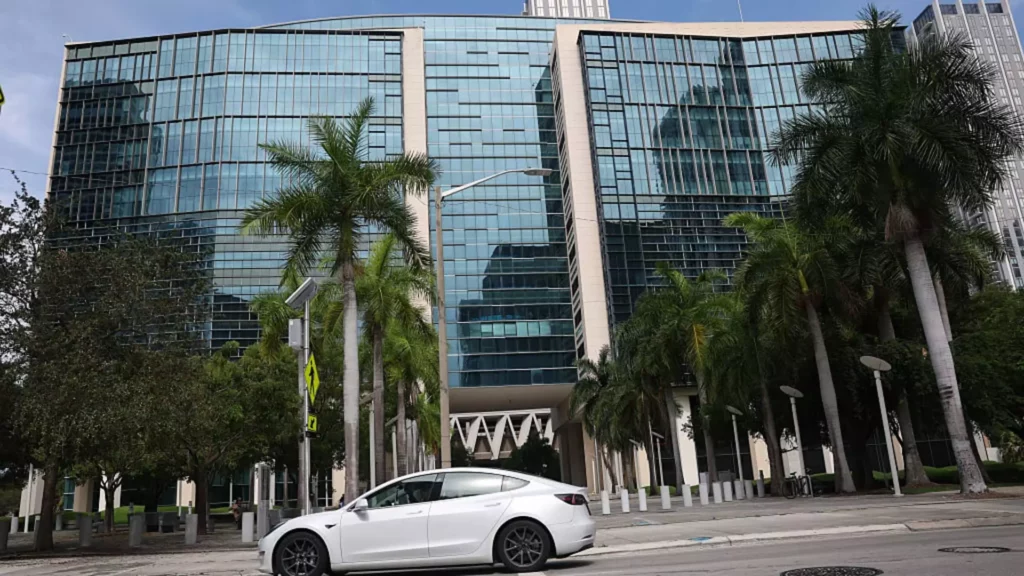
Tesla has long marketed its Autopilot system as a revolutionary step toward fully autonomous vehicles, branding it as a safe, reliable technology. However, the recent trial over a fatal 2019 crash shines a harsh light on the dangerous illusions these marketing messages foster. The fact that Tesla confidently presented Autopilot as a tool meant to assist drivers, despite its clear limitations, borders on reckless endangerment. The company’s persistent overstatement about safety and capabilities is irresponsible, especially when such claims lead to overreliance that costs lives. In this context, Tesla’s approach seems driven more by profit motives and the desire to lead the autonomous driving race rather than a genuine concern for road safety.
Corporate Recklessness and Prioritization of Profit
The heart of this controversy revolves around Tesla’s apparent negligence—knowingly or otherwise—in inadequately addressing the risks associated with Autopilot. Court testimonies suggest that Tesla was aware of the systemic flaws in its driver-assist technology but chose to delay necessary fixes, presumably to accelerate market dominance. This pattern of ignoring safety pitfalls for financial gains reveals a troubling corporate culture that trivializes human life in pursuit of technological prestige and shareholder value. Elon Musk’s bold promises about Autopilot being close to full autonomy have created an environment where users are misled into believing they are fully protected, leading to catastrophic consequences.
The Legal War Over Responsibility
The recent trial underlines the complicated legal landscape that autonomous vehicle technology faces, especially when tragedy strikes. Tesla’s defense hinges on asserting that drivers are solely responsible for their safety—an argument that seems both legally and morally incomplete. While the company claims to have provided clear instructions, the reality is that their marketing blurred the lines between assistance and automation. The disparity between what Tesla advertises and the actual capabilities of Autopilot presents a moral and legal gray area. More troubling is the potential for a court to hold Tesla accountable for its role in promoting a false sense of security—a verdict that could set a precedent for accountability in autonomous vehicle development.
The Human Cost of Technological Overconfidence
At the core of this case is the tragic loss of Naibel Benavides and her boyfriend, Dillon Angulo. Their stories starkly illustrate the human consequences of technological hubris. The fact that Benavides was so close to her death, found 75 feet from the vehicle, underscores how a momentary lapse in driver judgment—compounded by complacency induced by Autopilot’s marketing—can lead to irreversible tragedy. Angulo’s ongoing suffering, both physical and emotional, epitomizes how driver-assist systems, when misused or misunderstood, threaten lives. This case forces us to confront whether technological convenience outweighs fundamental safety—an assessment Tesla and Musk have repeatedly distorted.
Market Confidence Versus Ethical Responsibility
Tesla’s relentless pursuit of technological leadership appears to distort their sense of ethical responsibility. By framing Autopilot as a near-autonomous solution, Tesla has created a false narrative that endangers countless drivers and passengers, intentionally or not. As a center-right, liberal-leaning observer, it’s difficult to accept that a corporation tasked with public safety would prioritize image and profits over stringent safety standards. Their corporate actions suggest a calculated gamble—betting that the risks of legal and public relations fallout are manageable—and that, ultimately, their financial interests take precedence over human lives.
Autonomous Vehicles: A Potential Silver Bullet or a Pandora’s Box?
This case exemplifies the dangerous ambiguity surrounding autonomous vehicle technology. While the promise is immense—reducing accidents caused by human error—Tesla’s current implementation risks turning that promise into a Pandora’s box. Without stringent oversight, transparency, and accountability, technological arrogance could lead us down a path where safety becomes secondary to market dominance. If Tesla’s approach remains unchecked, many more lives may be lost under the guise of progress, all while the company escalates its influence and muddles the line between human control and automated systems.
A Call for Reform and Real Accountability
What’s clear from this ordeal is the urgent need for regulatory frameworks that enforce honesty in marketing, rigorous safety testing, and transparent liability standards. Tesla’s tendency to settle or hide behind arbitration shields the public from the full scope of its failures, but this lawsuit could be a turning point—if justice demands accountability. For a company that prides itself on innovation, it must accept that true progress includes safeguarding human lives and being honest with consumers. Anything less risks repeating the tragic errors of automation mishaps, emboldening corporate complacency, and ultimately compromising the trust in widespread autonomous vehicle deployment.




Leave a Reply